Respect Orders: more imprisonments for nothing much
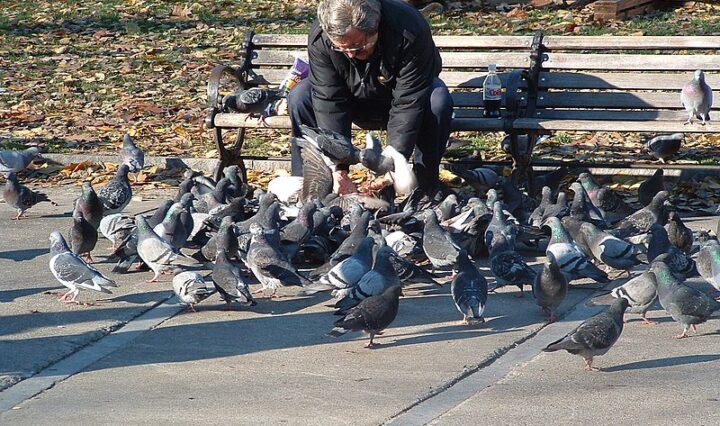
The introduction of Respect Orders today will allow people to be imprisoned for nothing more than entering a particular area of town, asking for 50p, or feeding the birds. We know this because this is exactly what happened under the forerunner of…

£500 for swearing and begging from 26 October
The hike in busybody fines From 26 October, councils will be able to issue £500 penalties for ‘busybody’ offences such as swearing, feeding the birds, busking, begging, street preaching, or failing to show a dog poo bag. The current maximum penalty for…
Campaign win: Home Office guidance on private enforcement
Earlier this year (and after more than a decade of our campaigning), Defra banned fining for profit in litter enforcement. Now, the Home Office has done the same for ‘busybody’ fines, which are currently being handed out at a rate of 25,000 a year (75% of which are issued by private enforcement). This was as a result of three House of Lords victories led by the Liberal Democrat peer Tim Clement Jones, who introduced a series of amendments to the Crime and Policing Bill. The government rejected these amendments but agreed to use guidance to check incentivised punishment. Now, the Home Office has revised…
Volunteers threatened with legal action for restoring parks
Since 2017, volunteers from Hemp Garden Community Association have worked to transform a neglected green space into a thriving community park. Elvet Green in Durham has been transformed from a rubbish-strewn area, to a community park with flowers and trees – all free of charge for the council. The association says that they have cleared rubbish and hazardous waste, repaired grassed areas, planted flowers, shrubs and trees, improved pathways and organised regular community work days. Now Durham County Council has sent them a letter ordering them to cease their activities and remove their equipment from the site. The council threatens legal action…
Car cruising PSPO has ruined Milton Keynes social life
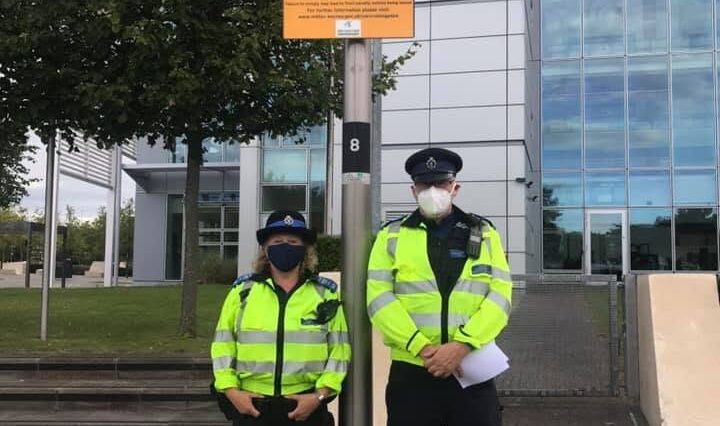
We’ve been in touch with a young man from Milton Keynes about the car cruising PSPO, which has had a big effect on the social life of the city. Although the PSPO is supposed to target anti-social or dangerous behaviour – such…
We ask Bristol and Thanet Councils to stop charging yoga in parks
Our report Banned from the Beach – The crackdown on Community Sport, showed how councils are charging absurd amounts to small groups to do yoga or qigong in parks or on beaches. Bristol and Thanet were councils with particularly restrictive rules, and we have written them asking them to change their policies. See our letters below: Also see video interviews with affected yoga teachers…

Fundraiser: Help us stop the fines racket
A community volunteer in Nottingham was fined for leaving a single kale leaf in a shopping trolley. She was fined by a private enforcement agent contracted by the council, who was incentivised to issue as many fines as possible. This shouldn’t be…

Banned from the beach: the crackdown on outdoor community sport
Introduction Across the country, people gather in the mornings and at weekends for outdoor community sport – yoga, workouts, qigong, or swimming, in parks or on beaches. These groups are generally small and run for free or small contributions, and make little…
Coventry Council vetting political campaigners in city centre
Coventry Council is planning a new PSPO that will ban independent political campaigning in the city centre. If it goes ahead, only those who have been formally approved by the council will be able to use amplification or put up a small campaigning stall. This replicates the order in Leicester, which has seen dozens of religious groups given warnings and a pensioner fined for running a campaign against council cuts. These orders mean that the council gets to decide which causes can be heard or seen in the city – which is a violation of free speech rights and democracy. (See our…
Greenwich ban on comments of ‘sexual or gender-based nature’
Greenwich Council is currently consulting on an extension to its PSPO – an order that bans a swathe of activities, including drinking in public, foul language, persistent begging, ‘anti-social loitering’ within 10m of a cash machine, ‘anti-social use of vehicles’ (including bikes), anti-social behaviour, and (perhaps most absurdly) ‘comments made of a sexual or gender-based nature’. The key thing is that most of these offences are in the eye of the beholder – ie, the official has the power to judge whether or not an offence has been committed. Who is to say when loitering, drinking or cycling is ‘anti-social’, and when…

Freedom news roundup
It has been a busy fortnight for the machinery of public-space control, but we begin with a win. The Pilates instructor told she must pay £85 a week to run a free class on the beach is back, after reaching a deal…
The absurd new crimes that are now law
Crimes are normally supposed to be intentional acts that cause harm – such as theft, violence against the person, or damage to property. Increasingly crimes are drawn much more widely, catching people who never caused harm at all, or never meant to.…